

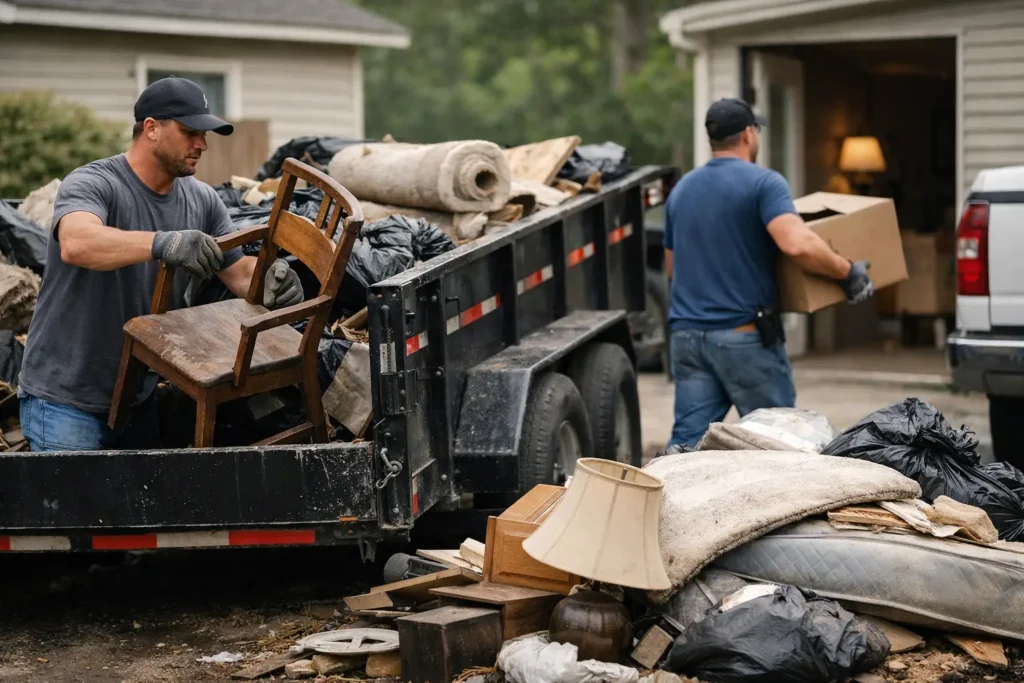
A rental goes sideways fast once a tenant is out. What looks like a simple move-out can turn into bags of trash, broken furniture, food left in the fridge, mattresses, damaged drywall, and a yard full of junk nobody wants to claim. If you’re trying to figure out how to clear rental property without losing a week and blowing your turnover schedule, the fix is having a real plan before anyone starts hauling.
How to clear rental property without wasting time
The biggest mistake is treating every cleanout like it’s the same job. A standard move-out is one thing. An eviction, abandoned unit, or long-term neglected property is something else entirely. The time, labor, disposal needs, and safety concerns change fast once you open the door.
Start with a walk-through before you touch anything. Take photos, note large items, look for damage hidden under piles, and check access points. A second-floor apartment with narrow stairs is a different haul than a single-story rental with a garage and driveway access. If there are appliances, soaked furniture, or scattered debris in the yard, build that into the plan from the start.
That first look tells you whether this is a basic junk-out, a full property cleanout, or a job that needs hauling plus light tear-out. It also helps you avoid the usual problem: a crew shows up thinking it’s a furniture pickup and finds half a house worth of debris.
Start with documentation and the lease side
Before clearing anything, make sure the property owner or manager has handled the paperwork side. That can include confirming surrender, posting or documenting notices when required, and making sure any remaining contents can legally be removed. The legal side depends on the situation. An ordinary move-out, an abandonment, and a formal eviction are not always handled the same way.
This matters because once a unit is emptied, you can’t put the evidence back. Photos, itemized notes, and a clear record of condition help with deposits, damage claims, and owner reporting. Even if the unit is obviously trashed, document it first.
For landlords and property managers, this is also the point where communication needs to tighten up. Decide who is approving extra labor if the job expands. Decide what stays and what goes. If a maintenance tech, owner, and manager all give different instructions, the cleanout slows down and costs more than it should.
Sort the property in zones
If the unit is packed out, don’t just start grabbing random items. Break the property into zones – kitchen, bedrooms, bathrooms, living areas, garage, attic, patio, and yard. That keeps the job organized and gives you a better read on labor.
The kitchen usually tells you how bad the rest will be. If the fridge is full, cabinets are loaded, and the floor is hidden, expect more time throughout the property. Bedrooms often hold the bulky stuff – mattresses, dressers, bed frames, and piles of clothes. Garages and sheds are where the heavy surprises show up, especially after tenants leave behind tools, scrap, shelving, tires, or water-damaged boxes.
Working in zones also helps if certain items need to be held back temporarily for review. You may know all obvious trash is going, but some personal property or paperwork may need a second look before disposal. Keep that decision separate from the basic hauling flow.
What to remove first
When you’re dealing with a rental turnover, clear the obstacles that block everything else. Start with obvious trash, bagged waste, food, loose debris, and anything creating odor. After that, move to bulky items like couches, mattresses, tables, and damaged furniture. Once the floor is visible, you can properly assess what the unit actually needs.
That order matters. If you leave loose trash until the end, the place never gets easier to work in. If you remove furniture first without addressing scattered debris, you create more mess and miss damage underneath.
Appliances are their own category. If the landlord wants them gone, plan for weight, disconnection status, and route out of the building. A refrigerator jammed into a tight hallway isn’t a last-minute add-on. Same goes for washers, dryers, and old water-damaged freezers sitting in garages.
Watch for hidden damage during the cleanout
One reason experienced crews matter on these jobs is simple: clearing a rental property often reveals the real scope of work. Once the junk is out, you may find broken subfloor, stained carpet, torn doors, damaged trim, holes in drywall, or piles of debris stuffed into closets and crawl spaces.
That changes the next step. A property that looked like a one-day turnover may now need hauling plus carpet pull, cabinet tear-out, or debris removal from a shed and backyard. This is where straight communication saves time. If the cleanout team documents and flags issues early, the owner can make decisions before the schedule gets jammed up.
There is also a safety piece here. Old glass, exposed nails, unstable furniture stacks, animal waste, and water-damaged materials are common in rough move-outs. Even a simple rental cleanout can turn risky if people rush it with no plan and no proper handling.
Decide what stays for the turnover crew
Not everything should leave with the junk hauler. If the flooring crew needs base cabinets left in place until measurements are done, don’t tear them out early. If painters need a room emptied but want curtain rods left for reference, note that before loading starts. The cleanout should support the turnover schedule, not create rework.
For contractors and property managers, this is where one point of contact makes life easier. One person calls the shots. One scope gets approved. One crew handles the hauling. That’s how you keep a unit moving toward ready status instead of turning it into a group text thread.
When to bring in a professional crew
Some landlords can handle a light cleanout on their own. A few bags, a chair, maybe some leftover household items – that’s manageable. But once you’re dealing with multiple rooms of contents, heavy furniture, exterior debris, or damaged materials that need to be removed quickly, the job usually stops being a DIY project.
The real cost isn’t just labor. It’s downtime. Every extra day spent slowly loading pickup trucks is another day the unit isn’t being repaired, shown, or leased. For property managers, delays stack up across multiple units. For owners, that vacancy window costs more than most people expect.
A professional crew also helps when the job needs more than brute force. Tight stairwells, limited parking, large-item breakdown, shed cleanouts, garage junk, and partial tear-out work all require some thought. The goal is not just to empty the place. The goal is to clear it cleanly so the next trade can get in and keep moving.
How to clear rental property and keep turnover on track
If speed matters, build the cleanout around the next phase of work. That means scheduling hauling first, then deep cleaning, repairs, paint, flooring, and final touch-up in order. If the property still has junk in it when the repair crew is supposed to start, you’ve already lost time.
It also helps to be realistic about scope. A unit with a few abandoned items can be cleared quickly. A neglected house with years of buildup, exterior debris, and damaged contents may take multiple loads and more labor than the owner expected. That’s not overcomplicating it. That’s field reality.
This is where transparent pricing and clear communication matter most. A cleanout quote should reflect volume, access, labor, and disposal conditions, not just a guess based on square footage. If the property is packed tight or the load includes heavy items and demolition debris, that needs to be addressed upfront.
For landlords and managers in Northeast Georgia, this comes up all the time during busy turnover periods. A dependable crew can make the difference between getting a property ready this week or still staring at a mess next week. Companies like Drop Zone CleanUp are built for that kind of work – practical hauling, real cleanup, and no drama around the schedule.
The goal is a property that’s ready for the next step
A cleanout is not the finish line. It’s the handoff point. Once the junk is out, the unit should be ready for cleaning, repair, make-ready work, or listing photos. That’s why the best rental property cleanouts are not just fast. They’re organized.
If you’re facing a move-out, eviction, or abandoned unit, don’t start with guesswork. Walk it, document it, define what goes, and clear it in the right order. That gets the mess out of the way and puts the property back in play, which is what matters most.