

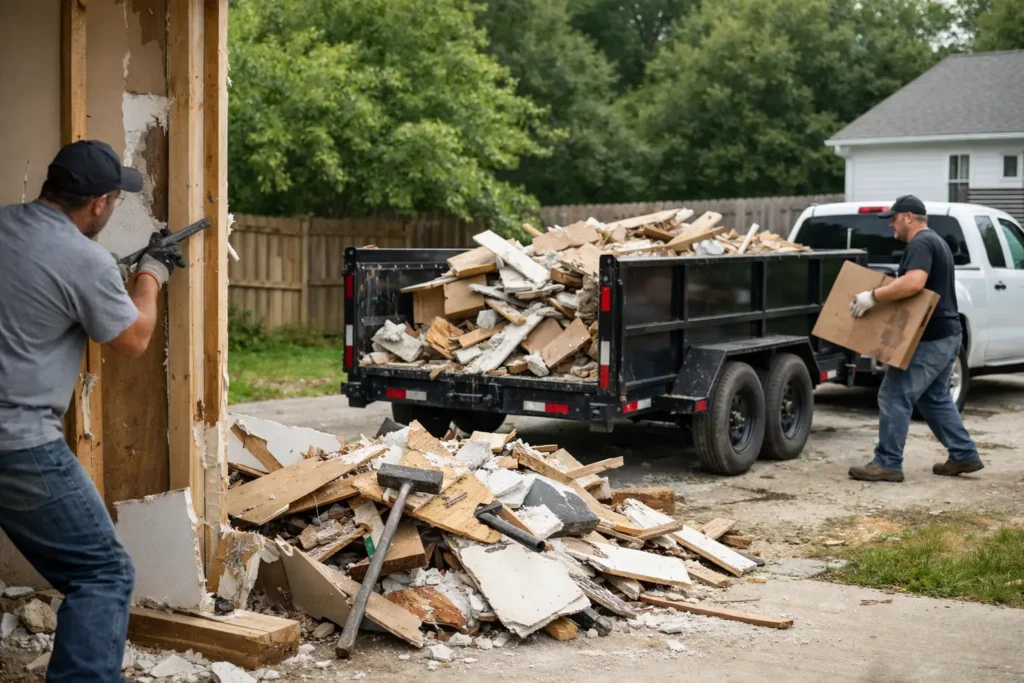
A renovation can stall over something as simple as an old deck, a worn-out shed, or a bathroom that needs to come down to the studs. That is where light demolition Hoschton GA property owners and contractors can rely on makes a real difference. The work is not about swinging a sledgehammer and leaving a pile behind. It is about removing the right materials, protecting what stays, loading out the debris, and leaving the area ready for the next crew.
For a homeowner, that may mean clearing a backyard structure before a new project starts. For a contractor or property manager, it may mean getting a unit, storefront, or job site cleared without losing a day waiting on debris to disappear. The goal is simple: remove the obstacle so the job can move.
What Light Demolition Usually Covers
Light demolition handles smaller-scale removal work that does not require a full demolition contractor. Every project has its own details, but this often includes removing non-structural materials and hauling away what comes out.
Common jobs include:
- Shed, playset, and small outdoor structure removal
- Deck, fence, and porch tear-outs
- Old cabinets, countertops, flooring, and interior fixtures
- Hot tub removal and broken-down pool components
- Drywall, framing, trim, and renovation debris removal
- Garage, storage room, and outbuilding cleanouts tied to a teardown
The line between light demolition and larger demolition work matters. If a job involves structural changes, major concrete breaking, heavy machinery, or engineered planning, it may need a different scope and additional trades. A good crew will be straight with you about that before work begins instead of trying to force a job into the wrong category.
Light demolition also is not just removal. The hauling and disposal side is a big part of the job. A deck can come apart quickly. The lumber, fasteners, rails, and old materials still need to be loaded, hauled off, and handled properly. Leaving that pile for the homeowner or framing crew defeats the point.
Light Demolition in Hoschton GA Starts With the Scope
Before anyone starts pulling boards or cutting out cabinets, the job needs a clear scope. That protects the property, keeps the estimate honest, and prevents the usual confusion around what is included.
A walkthrough or detailed photo review should identify what is being removed, what needs to stay in place, how the crew can access the area, and where debris will be staged during loading. A backyard shed with a wide gate is one kind of job. A hot tub behind a fenced patio, near landscaping and a tight access point, is another.
Access changes the plan. So does the material. Old fencing, cabinets, and drywall are generally straightforward, while heavy built-in pieces or water-damaged structures can take more labor and careful breakdown. If there are stairs, narrow hallways, soft ground, parked vehicles, or finished surfaces nearby, those details need to be discussed upfront.
For contractors, this is especially important. If a demo crew arrives before another trade has disconnected or removed what needs to be handled first, the schedule can get tangled fast. Clear communication about site readiness, access codes, work hours, and the final cleanup expectation keeps the handoff clean.
What a Well-Run Removal Job Looks Like
The cleanest jobs are planned before the first piece comes down. The crew confirms the work area, protects nearby surfaces as needed, breaks down materials in manageable sections, and keeps the load-out moving instead of building a mountain of debris in the driveway.
On an interior job, that means controlling the mess as much as the scope allows. Demo creates dust and loose material. The practical goal is to contain it, keep walkways usable, and remove debris as the work progresses. On an exterior job, it means watching gates, landscaping, siding, concrete edges, and the routes used to carry material out.
Then comes the part people often underestimate: getting the debris off the property. Old deck boards with nails, cabinets, broken fixtures, fencing, and bulky materials fill space quickly. A crew that handles both teardown and hauling saves you from lining up another service just to deal with the pile afterward.
At Drop Zone CleanUp, the approach is straightforward. Confirm the scope, show up prepared, do the removal work, haul the debris, and keep you informed if the job reveals something different than what was visible at the start. One call, one crew, and no vague handoff at the end.
When Light Demolition Makes More Sense Than DIY
Some homeowners can handle a small tear-out themselves. If you have the tools, time, safe access, and a solid plan for hauling, that can be a reasonable route. The trade-off is usually not the first hour of demolition. It is the cleanup, loading, disposal, and repeated trips after the work area is already cluttered.
DIY also gets harder when materials are bulky, access is tight, or the project needs to stay on schedule. An old hot tub, a collapsing shed, or several rooms of renovation debris can turn into more work than expected. There is also the simple issue of keeping sharp materials and loose debris from sitting around the property for days.
For contractors and property managers, the decision is often about labor allocation. Your skilled crew should be building, repairing, finishing, or turning units. Spending their day loading broken cabinets, old flooring, and teardown debris can pull them away from work that drives the project forward. Bringing in a dependable cleanup crew helps keep the job site safer and the schedule intact.
Pricing Should Match the Actual Work
A reliable light demolition estimate is based on the work involved, not a vague guess from across town. Size matters, but so do access, material type, labor required for breakdown, debris volume, and disposal needs.
A small open-access fence section may be quick to remove and load. A built-in structure with layers of material, limited access, and heavy debris will take more time. That does not have to create a surprise if the scope is clear from the beginning.
Ask what the quote includes. You should know whether the price covers teardown, loading, hauling, disposal, and final debris pickup. If a crew sees an issue once work starts, such as hidden material or a condition that changes the scope, the right move is to explain it before adding work. Straight answers beat a low number that grows after the job is underway.
Preparing Your Property Before the Crew Arrives
A little preparation helps the job go faster. Move vehicles out of the work path, clear personal items from the structure or room, and make sure gates, doors, or access points can be opened. If you need to keep specific materials, fixtures, or items, point them out clearly before work starts.
For occupied homes, secure pets and let the crew know about any access concerns. For rental properties, make sure the unit is available and that the scope matches the condition on site. For active construction projects, designate a contact who can answer quick questions if the site superintendent is not available.
You do not need to organize every scrap before a cleanup crew arrives. That is part of why you called. But clear access and a clear understanding of what stays versus what goes can save time for everyone.
The Right Fit for Homes, Rentals, and Job Sites
Light demolition is useful when a property needs to move from one phase to the next. A homeowner may be clearing space for a remodel. A landlord may need an abandoned backyard structure removed before listing a rental. A contractor may need cabinets, flooring, and construction debris out of the way before the next trade arrives.
The best results come from treating removal as part of the project plan, not an afterthought. Get the scope reviewed early, schedule the work around your other trades or property needs, and use a licensed and insured local crew that handles both the teardown and the haul-away.
If an old structure, worn-out fixture, or debris pile is holding up your next step, do not let it occupy the site longer than it needs to. A clear property gives you room to build, repair, rent, sell, or simply get your space back.